


BrandBee: Earn Gift Cards
4.420.66K Reviews
App Specs
- Version
- 3.51.2
- Updated On
- License
- Free
- Downloads
- 1,000,000+
- Developer
- Embee Mobile
- Categories
- Lifestyle
- Platform
- Android
Screenshots
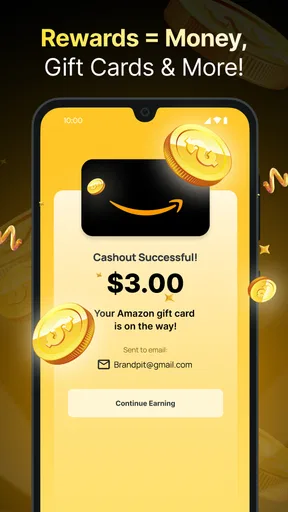
 Analysis by AppCompare
I approached BrandBee: Earn Gift Cards as a lifestyle app rather than a shortcut to easy income. Its basic idea is simple: you complete activities such as surveys, games, receipt scans, and other available tasks, then work toward rewards. That sounds familiar, but the real question is whether the process fits comfortably into everyday life and whether you feel in control while using it.
My overall impression is mixed in a useful way. BrandBee can make small idle moments more interesting, especially if you already enjoy answering consumer questions or keeping track of receipts. At the same time, it demands patience, attention to account details, and a sensible attitude toward personal information. I would not treat it as a dependable earning tool. I would treat it as an optional rewards app that needs to earn its place on your phone through transparent choices and a workflow you can live with.
What BrandBee is really like in daily use
BrandBee is a free lifestyle app from Embee Mobile, and its store presence shows a 4.4 average from roughly 73,000 ratings, with more than 1 million installs. Those figures suggest that the concept has attracted a substantial audience, but they do not tell me whether every task will suit every person. Rewards apps are highly dependent on location, available campaigns, eligibility, and the amount of time you are willing to spend.
The app is aimed at adults: its content rating is Mature 17+. That matters because the activities involve consumer research and reward participation rather than a simple entertainment loop for children. I would be particularly careful about letting a younger family member use it casually, even if the interface looks approachable. The age label should be treated as part of the decision, not as a detail to ignore.
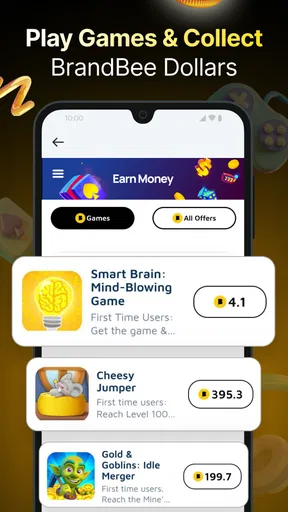
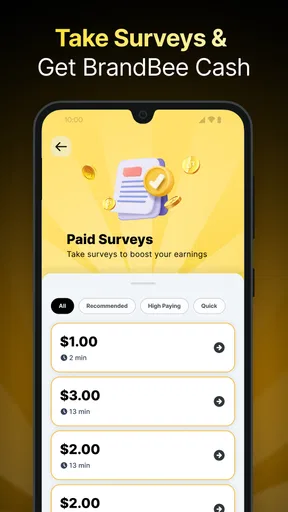
In practical terms, I see four main ways to use it. Surveys are the most obvious option, games may appeal when you want a more active distraction, receipt scanning can fit into household shopping routines, and additional activities may appear depending on what BrandBee makes available to your account. That variety is helpful because you are not forced to rely on one format, but it also means the experience can feel uneven from one visit to the next.
A realistic scenario would be checking the app after grocery shopping. Instead of scanning every receipt automatically, I would first read the task instructions, confirm that the receipt qualifies, and then capture it while the paper is still clear and intact. Later, I might answer a short survey while waiting for an appointment. This makes sense as a small habit. It makes much less sense if I am opening the app every few minutes expecting a steady return.
Why the reward model needs realistic expectations
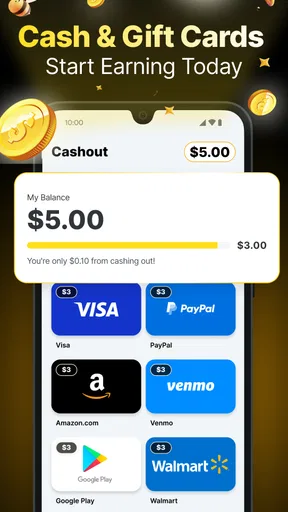
The phrase “earn gift cards” can easily create the wrong expectation. In my experience with this type of app, the value is not the same as hourly pay. A task may take longer than expected, end with a screening result, or require details that make the reward feel modest compared with the effort. BrandBee is best approached as a way to collect occasional extras, not as a replacement for work or a reliable monthly budget line.
Worth Reading Before You Choose

EA SPORTS FC Mobile 26 Is a Bigger Football Game, but It Takes Time

Flipboard Shows What News Apps Must Do Beyond the Feed

Switching to Android Auto Means Rethinking Your Driving Routine

Google Calendar Makes a Crowded Week Easier to Manage

Ludo King Makes the Most of the Minutes Between Plans

Baby Panda World Brings Quick Play to Modern Phones, but Its Game Library Feels Busy
I also would not judge the app solely by how many activities appear on the home screen. A long list can be less useful than a short list of tasks that match your interests and circumstances. Someone who shops regularly may find receipt-related activity more practical than someone who rarely keeps receipts. Someone who dislikes market research may prefer games, but game-based tasks can demand more time and attention than a quick questionnaire.
The strongest habit is to decide in advance how much time you are willing to give it. I would use a short session limit, stop when a task becomes repetitive, and avoid chasing a reward simply because I have already invested time. That last point is important: a nearly completed activity is not automatically worth finishing if its requirements become inconvenient or unclear.
How it compares with ordinary alternatives
Compared with a standard survey-only app, BrandBee is more flexible because it brings surveys together with games, receipt scanning, and other reward activities. That variety can reduce boredom and gives you another route when one type of task is unavailable. The trade-off is that you may need to understand several different activity rules instead of learning one predictable format.
Compared with cashback services built around shopping, BrandBee appears more activity-oriented. A cashback service may feel more natural if your priority is receiving value from purchases you already planned to make. BrandBee can be a better fit if you want several ways to participate, but it may require more active checking and more deliberate attention to eligibility.
Compared with casual games, the appeal is obviously different. A normal game is designed around entertainment first, while BrandBee adds a reward objective to the experience. I would choose BrandBee when I want a practical reason to spend a few spare minutes, not when I want deep gameplay, rich progression, or a polished replacement for a dedicated game.
Trust, permissions, and the moments that deserve attention
I take permission prompts seriously because the right choice depends on what I’m doing at that moment, not just on getting through setup quickly. This section looks at how I keep participation deliberate, especially around account access and sensitive submissions, and why a few careful checks can make a repeatable routine feel more trustworthy.
What I look for before completing a task
Trust starts before the first survey or receipt scan. I read the activity description, check what action is being requested, and look for any explanation of eligibility or submission requirements. If a task asks for information that feels unrelated to its stated purpose, I pause rather than assuming that every request is necessary.
This is especially important with receipt scanning. A receipt can reveal more than a purchase total. It may show a store, date, location, household habits, product choices, and sometimes identifying details. I would inspect the image before sending it and avoid including unrelated papers, loyalty information, or anything else visible in the background. A clean, tightly framed image is both more respectful of privacy and less likely to create confusion during review.
Surveys deserve a different kind of caution. I answer consistently and honestly, but I do not rush through questions merely to reach the reward. Contradictory answers can make the experience frustrating, while careless responses may not represent my views accurately. If a questionnaire becomes too personal for my comfort, I would leave it rather than treating completion as an obligation.
Account controls and personal agency
A rewards app should leave me feeling able to choose what I do, what I skip, and when I stop. I therefore pay attention to account settings, sign-in details, notification controls, and any visible options for managing participation. I do not assume that a convenient default is the right default for me.
My practical rule is to share the minimum information needed for the activity I have deliberately selected. I would avoid entering extra personal details simply because a form presents an empty field. I would also review the app’s privacy and account explanations before building a long-term routine, particularly if I plan to scan receipts frequently or answer many surveys.
Another useful control is separating the app from important financial planning. I would never depend on a reward balance for rent, bills, or a time-sensitive purchase. If a redemption step takes longer than expected or an activity is rejected, that should be an inconvenience rather than a crisis. Keeping the stakes low is one of the easiest ways to preserve a healthy relationship with this kind of service.
Notifications are worth managing early. Alerts can be useful when a suitable activity appears, but too many reminders can push the app into the background of your day. I prefer to allow only notifications that help me make a deliberate choice. If the app becomes something I check compulsively, I would reduce alerts or take a break.
Data-sensitive situations I would handle carefully
There are three moments when I would slow down: permission prompts, receipt uploads, and account or reward actions. A permission request is not automatically suspicious, but I want to understand why it appears and whether the requested access matches what I am trying to do. If I am only browsing available tasks, I would not grant access casually just to move faster.
With receipt images, I would use the camera deliberately rather than granting broader access than necessary when the operating system offers a narrower choice. After uploading, I would keep the physical receipt only as long as I need it for my own records. I would also avoid photographing a whole countertop or shopping bag when a close crop is enough.
For account activity, I would keep login information private, avoid using shared devices without checking the session afterward, and review any confirmation screen before submitting. A reward app is still an account-based service, so ordinary security habits matter. I would not share verification codes or credentials with anyone claiming to help unlock a reward.
The app is currently listed as version 3.51.2 and supports devices running Android 7.0 or later. That makes compatibility fairly broad for older Android phones, but I would still keep the operating system and the app updated when possible. Updates can affect permissions, sign-in behavior, and how clearly choices are presented, so I would reread prompts after a major change rather than tapping through automatically.
Where the experience may become frustrating
The biggest weakness is unpredictability. Available surveys and activities may not match your schedule, interests, or location. You can open the app ready to participate and find that the most appealing option is unavailable, unsuitable, or more involved than its brief preview suggested. That is normal friction for a task marketplace, but it can make the reward feel less worthwhile.
Receipt scanning also depends on good habits. Faded ink, folded paper, glare, and incomplete framing can all make a submission harder to process. I would scan soon after shopping, place the receipt on a flat surface, and check the image before sending. This small routine prevents the avoidable disappointment of discovering that a receipt is no longer readable.
Games may be attractive because they feel less like a questionnaire, but I would watch the time cost closely. If a game activity requires repeated sessions, the reward should be considered against the attention it consumes. Someone who wants entertainment should probably use a normal game; someone who wants a small incentive for trying a task may find BrandBee more suitable.
There is also a psychological trade-off. Once I start thinking of every spare minute as an earning opportunity, the app stops feeling optional. I would rather use it selectively: one survey during downtime, one receipt after a planned shop, or a short game activity when I genuinely want it. The app works better when it supports my routine instead of dictating it.
Who should try it, and who should skip it
I think BrandBee suits adults who are comfortable with consumer surveys, can follow submission instructions, and understand that rewards accumulate gradually. It may also suit people who appreciate having more than one activity type available. If you already keep receipts organized and enjoy giving opinions, the extra step of checking a reward app may feel manageable.
I would skip it if you need predictable income, dislike sharing shopping-related information, or find screening questions and task rules irritating. It is also a poor match for anyone likely to overspend time pursuing a small reward. A conventional cashback tool may be better for a shopper who wants a mostly passive experience, while a dedicated game is better for someone whose priority is entertainment.
Because the app is free, trying it does not require a purchase decision, but “free” should not be confused with costless. Your time, attention, device storage, data connection, and personal information all have value. I would start with one activity type, observe how comfortable the process feels, and only then decide whether broader use makes sense.
My cautious verdict after weighing the trade-offs
BrandBee: Earn Gift Cards is a reasonable option for small, occasional rewards when you use it with clear boundaries. Its combination of surveys, games, receipt scanning, and other activities gives it more range than a narrow survey app, and the free entry point makes experimentation easy. I like the possibility of fitting a task into a real routine rather than treating the app as a full-time pursuit.
Still, I would not recommend installing it with the expectation of guaranteed returns. The experience depends on which activities are available, how much effort each one takes, and how comfortable you are with the information involved. The most responsible approach is to inspect every request, keep permissions purposeful, protect account access, and stop when the time or privacy trade-off no longer feels fair.
Embee Mobile has positioned this product in a crowded lifestyle-rewards space, and its established presence is encouraging without removing the need for personal judgment. I would give it a cautious try if I wanted flexible ways to earn occasional gift-card rewards and was willing to manage my participation actively. I would pass if I wanted passive cashback, dependable income, or a privacy-light experience.
My bottom line: use BrandBee as an optional spare-time tool, not as a promise of easy money. Start small, read each task carefully, protect sensitive details, and let your own time and comfort determine whether the rewards are worth continuing.
Pros
- Simple tasks make earning rewards easy for beginners.
- Gift card options provide useful choices for different retailers.
- Clean interface makes available offers easy to browse.
- Low time commitment suits users with only a few spare minutes.
- Reward progress can motivate users to complete more activities.
Cons
- Earnings per task may be small compared with the time required.
- Offer availability can vary by country and user profile.
- Some surveys may screen you out after answering initial questions.
- Rewards may take time to process after reaching the redemption threshold.
- Frequent notifications can become distracting if not managed.
FAQs for BrandBee: Earn Gift Cards
What is BrandBee: Earn Gift Cards and how does it work?
BrandBee: Earn Gift Cards is a rewards app that lets users earn points by completing activities such as surveys, sharing opinions, and participating in market research. After collecting enough points, you can usually exchange them for available gift cards or other rewards. The number of activities, points offered, and redemption choices may vary depending on your location and account eligibility.
Is BrandBee: Earn Gift Cards free to download and use?
Yes, the app is generally free to download and create an account, and you do not normally need to pay to access its earning activities. However, participation may require personal profile information so the platform can match you with suitable surveys or research tasks. You should review the privacy policy and avoid entering information you are uncomfortable sharing.
How can I earn gift cards with BrandBee?
Once your profile is set up, BrandBee may present surveys, questionnaires, product-related research, or other qualifying activities. Each completed task can provide a stated number of points or rewards, although not every survey will be available to every user. Completing your profile accurately, checking the app regularly, and answering consistently can improve the chances of receiving relevant opportunities.
How long does it take to receive a reward from BrandBee?
The time required to redeem a reward depends on the minimum payout threshold, the gift card selected, and the app’s verification or processing procedures. Some rewards may be delivered relatively quickly, while others can take longer or require additional account checks. Before completing tasks, review the current redemption rules, available denominations, and any stated processing times.
What should I know about privacy and account requirements before using BrandBee?
BrandBee may request demographic, contact, device, or opinion-based information to provide market research opportunities and determine which activities match your profile. Read the app’s permissions, privacy policy, and terms before registering. Keep your account details accurate, use only one account if required, and remember that survey availability and reward access can depend on age, country, and eligibility.


